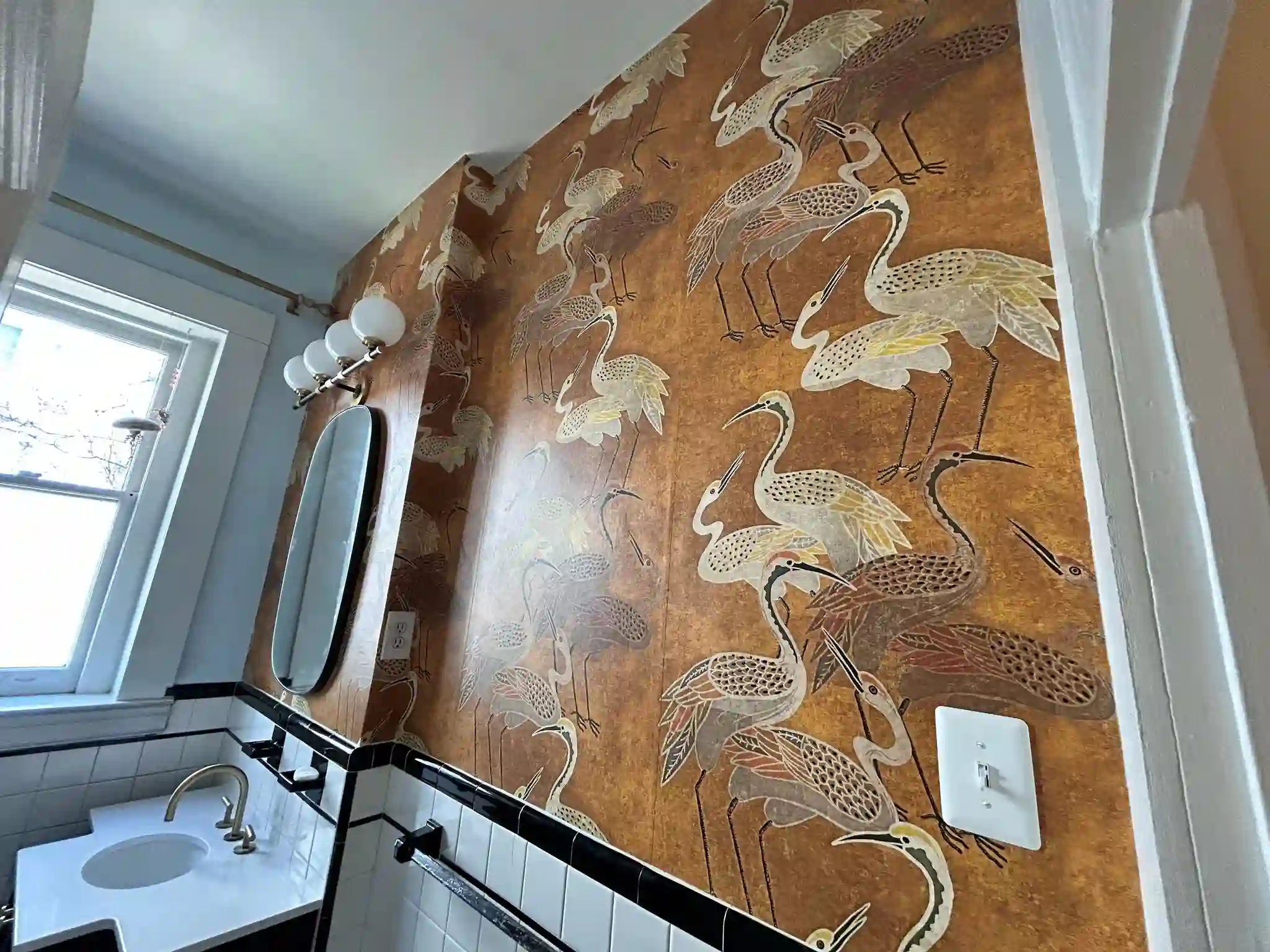
Start with the idea and the scope.
A single feature wall, a full room, and a commercial space raise different questions. The conversation can cover what you want covered, the general size of the work, and the material if you have chosen one.
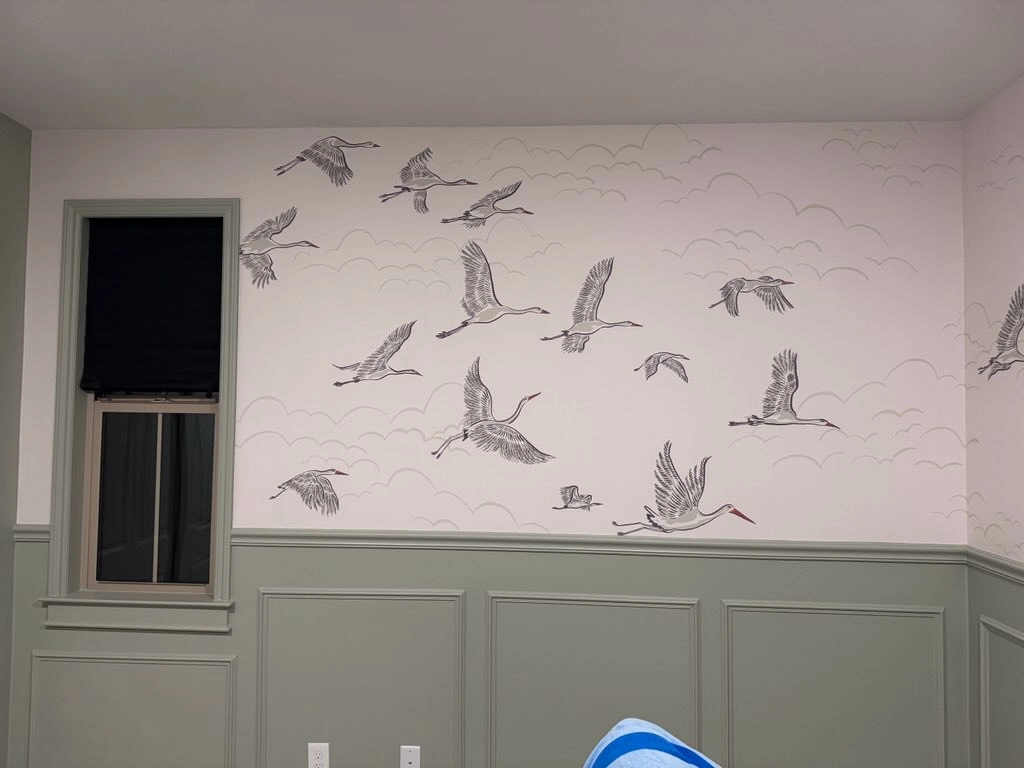
Wallpaper installation is easier to think through when the material, the surface and the room are considered together. Here are the practical details that tend to shape the work.
Prefer to talk? Call us
A useful first conversation
It is enough to say which room you have in mind and what you are hoping to change. If the wallpaper is already selected, the product details can help. If you are still comparing options, you can start there too. Photos and measurements may help with a more detailed estimate, but they are not a condition of calling.
A single feature wall, a full room, and a commercial space raise different questions. The conversation can cover what you want covered, the general size of the work, and the material if you have chosen one.
Wallcoverings differ in backing, weight, pattern repeat and recommended adhesive. Peel-and-stick products have their own surface requirements. A product label or manufacturer’s directions can clarify what the wall and installation need to support.
Texture, old adhesive, loose paint and previous coverings can affect the next layer. A closer look may help determine the appropriate preparation. Call to discuss whether an on-site assessment or measurement visit can be arranged for your project; any visit is subject to confirmation.
For a patterned paper, layout planning considers where the repeat begins and how the design approaches corners, windows, doors and other interruptions. Alignment and clean seams help a pattern feel continuous across the wall.
Dimensions, the product name and clear room photos can add useful context when you have them. They are optional for an initial inquiry. Call or send a short note to discuss what is helpful next.

Light shifts at a corner. A pattern meets a doorway. A seam crosses an uneven surface. Those transitions are why wall preparation and layout are part of installation—not details to think about after the paper is up.
Read practical planning notes